
The Raman Effect and National Science Day
How a question about the colour of the sea led Sir C.V. Raman and K.S. Krishnan to the discovery that won India its only Nobel Prize for science, and gave the country its National Science Day on 28 February.
The history of science in India, the discovery that gave us National Science Day, and the learning science behind teaching by doing.
How a question about the colour of the sea led Sir C.V. Raman and K.S. Krishnan to the discovery that won India its only Nobel Prize for science, and gave the country its National Science Day on 28 February.
How Western science and education took root in India, from colonial botany and the Great Trigonometrical Survey to the Asiatick Society and the Madras Observatory.
How Indians built scientific institutions of their own: the rise of Calcutta's Science College and the golden age of Bose, Ray, Raman, Saha and Krishnan.
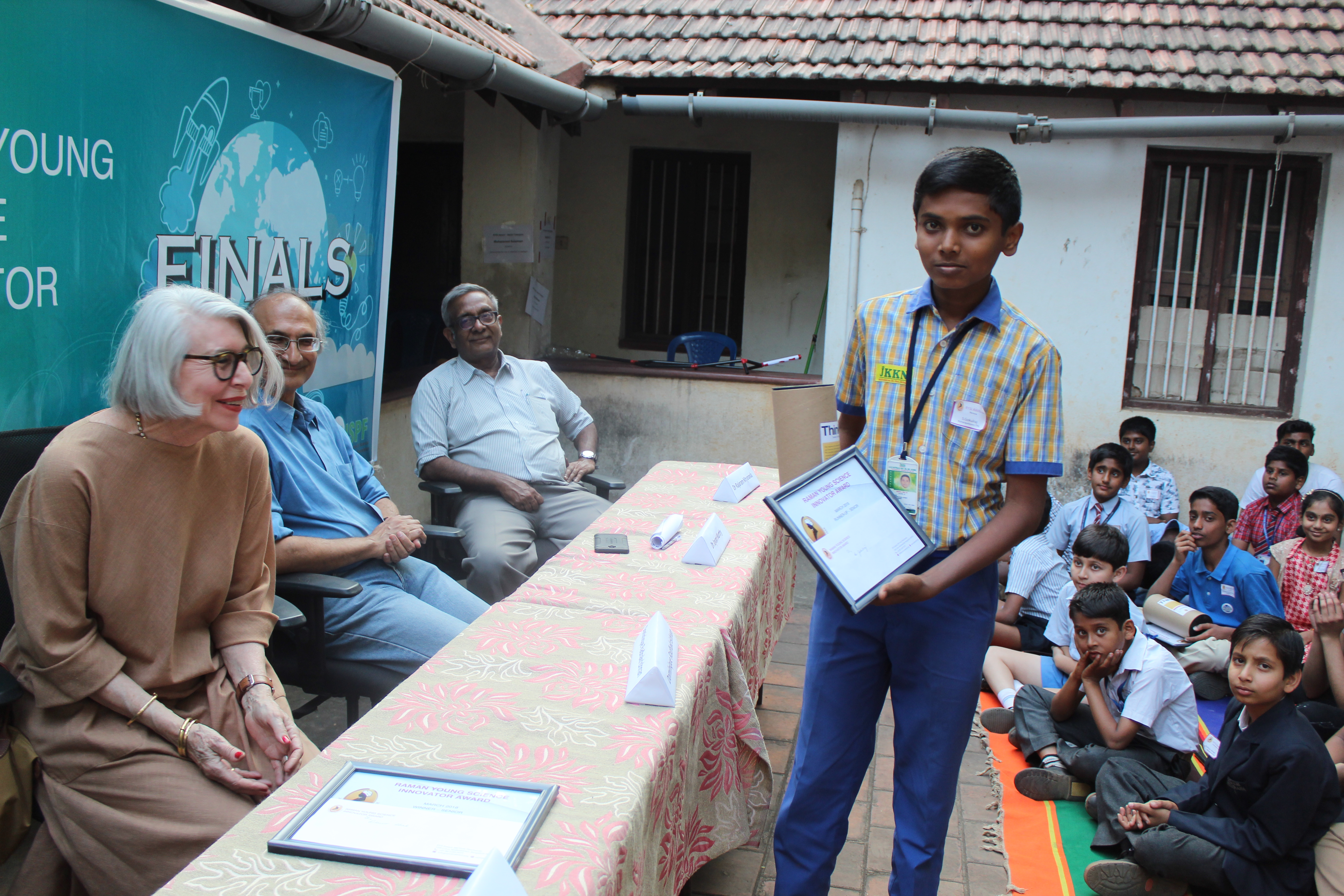
Science is a way of life, and the RYSI Award exists to let India's school children experience it hands-on, fun and dynamic, rather than learn it by rote.
Why believing that intelligence can grow (rather than being fixed) changes how a learner approaches challenge, effort and the occasional failed experiment.
Evidence from around the world is clear: social and emotional skills matter as much as cognitive ones in preparing students for the 21st century.
From a 1960s school programme in New Haven to the five competencies of CASEL: how social and emotional learning grew, and why it underpins academic success.
As algorithms, machine learning and the Internet of Things automate intelligence itself, the skills students need are changing, and so must the way we teach.
Two ideas at the heart of good teaching (Vygotsky's zone of proximal development and Bruner's scaffolding), and how the right support helps a learner reach further.
Bring the spirit of these stories into a classroom. Enter a student in the next RYSI season, or explore the topics and resources behind the award.